

Arena Futures
Building Hospitality Brands from the Inside
What does it really take to build a hospitality business that people want to work for, partner with and keep coming back to?
_-_LR-22_670_447_s.jpg)

Event Review
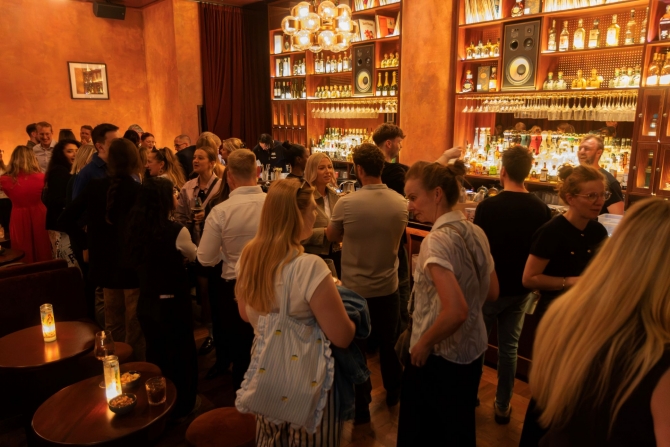
People from across the hospitality industry, from a breadth of roles, joined together for our latest Futures event last week where they had opportunity to build their hospitality network, experience a thriving new London restaurant, and listen to four incredible hosts and guest speakers.
Building hospitality brands from the inside: what does it really take?
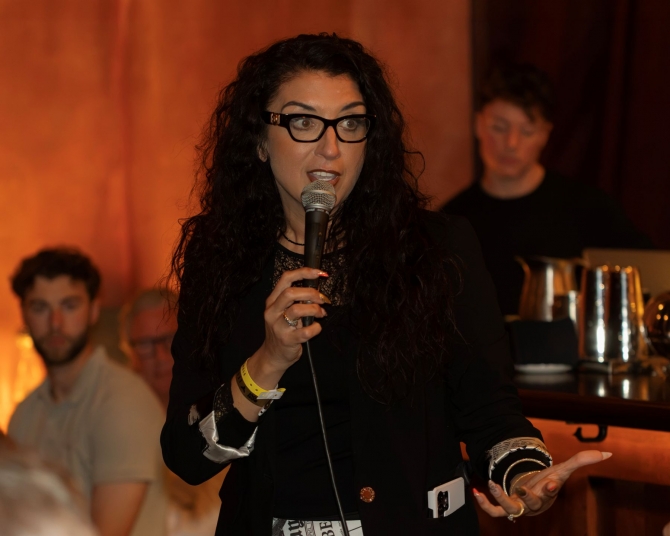
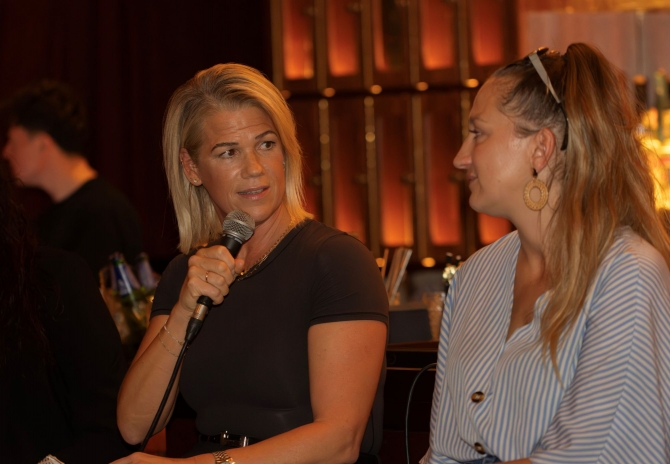
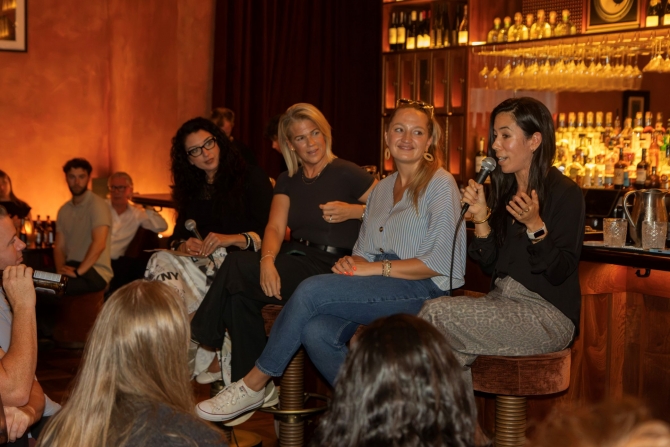
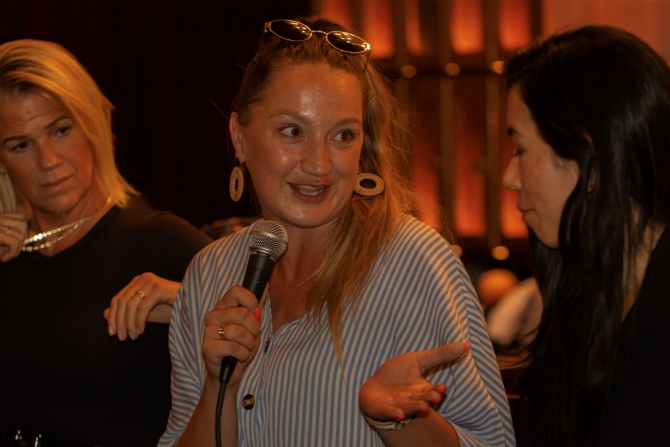
This was the key question at the latest Arena Futures event last week on 10th September. Panel host Shereen Ritchie, CEO of Kuvi Hospitality at her new restaurant, Coyo Taco, brought together three very different perspectives from Caroline Ottoy, managing director at WatchHouse, Rachel Masing, people director at Poolhouse, and Paulina Guirguis, operations manager at HOP Vietnamese. The session covered people, culture, personal brand and progression as well as the relationships that have shaped the panellists’ careers.
Hospitality is a tribe
If there was one theme running through the afternoon, it was the value of relationships.
For Caroline, her network has been fundamental to her career. From mentors and former bosses to friends and peers, it has given her confidence, opened doors and helped her navigate the challenges of leadership.
“Sometimes it’s lonely out there,” she said.
Rachel and Paulina had similar stories. Hospitality is a small world, and people move between businesses, suppliers and brands. The relationships you build can follow you throughout your career - whether that means an introduction, a piece of advice or simply someone to call when you are facing a problem you've never dealt with before.
For Paulina, who arrived in the UK unable to speak English and worked her way from waitress to senior operations, networking has often meant simply being willing to talk to people.
“Speak to anyone,” she advised. “Be thoughtful. Be curious. You never quite know where a conversation might lead.”
You are already a brand
Personal branding caused some lively discussion. Shereen described it as what people say about you when you are not in the room.
That resonated with the panel. Caroline talked about understanding her own personality and learning how to adapt the way she communicates without losing what makes her herself. Rachel's advice was to lean into your strengths rather than trying to become someone else.
“Build teams that complement your weaknesses,” she said.
There was also a healthy rejection of the idea that everyone needs to be universally liked.
Shereen's experience was that being “Marmite” had probably helped her more than trying to be everyone's cup of tea, or “jam”, as she put it.
And then came a more direct point about taking responsibility for your own progress.
“We grew up on Disney movies,” Shereen said. “There’s no knight in shining armour coming to save you. You save you.”
The panel agreed that mindset is one of the few things you can control. You can’t make someone else think differently, but you can change what you think and what you do.
No one builds a career alone
But don’t mistake that for going it alone. Behind every successful career is a tribe of people willing to lift you up.
The panel's stories challenged the idea that progression is simply about working hard and waiting for the next opportunity.
The power of the mentor came up repeatedly - but not necessarily in the formal sense. Sometimes they are people you have worked with. Sometimes they are peers. Sometimes they are someone you meet at an event and simply have the confidence to approach.
The advice: ask for help and keep learning.
For Rachel, that means setting goals over different time horizons - two, five and ten years - and making sure the things you do every day are moving you in the right direction.
For Paulina, progression has meant saying yes before she felt completely ready. Opening a new site without having opened one before was daunting, but the people around her helped fill the gaps.
“Give it a go,” she said.
Throughout the conversation, it became clear that much of the panel's progression had come from exactly that - taking the opportunity, asking the question and figuring out the rest as they went.
The power of people and culture
So what actually builds a brilliant hospitality brand from the inside?
The answer from all three panellists was remarkably consistent: people and culture.
For Caroline, culture has to be intentional. It should be reflected in who you hire, how you appraise people, what you celebrate and the standards you set every week.
For Paulina, it is about making sure the people on the ground believe in the brand. You can have the best product and the best marketing in the world, but if the restaurant team doesn't believe in it, the customer will feel that.
“People and culture,” she said. “Everything else follows.”
Rachel's focus was listening. Not just when people are telling you what you want to hear, but when they are telling you what is wrong. An engagement survey had highlighted things that the leadership team needed to improve - a useful reminder that culture is built through listening as much as leading.
People are the brand
The conversation was refreshingly practical; no grand theory of branding, no suggestion that there is a single formula for success. Instead, a reminder that hospitality is still, fundamentally, a people business.
Build good relationships. Know your strengths. Find people who challenge and support you. Keep learning. Be willing to say yes. Listen when things aren't working. And don't be afraid to ask for help.
Shereen described hospitality as a tribe - an industry where people lift each other up, share what they know and, occasionally, pick up the phone when someone is having a wobble.
As Caroline put it, “be your authentic self”.
The brand might be what the customer sees. But what happens on the inside is what makes it believable.
A huge thank you to Fiona Hamilton, Director of Strategic Growth at William Murray PR & Communications for this write up.