

Arena's Healthcare Breakfast
The Importance of Healthcare Catering
Arena’s new event 'The Importance of Healthcare Catering' took place at the Sofitel London St. James on Thursday 5th March 2026. As part of a new series of breakfast seminars focussed on public sector catering this event brought together an expert panel of speakers who focussed on how caterers have made a positive impact within the healthcare catering sector and the opportunities and challenges that lie ahead. You can read the review below.





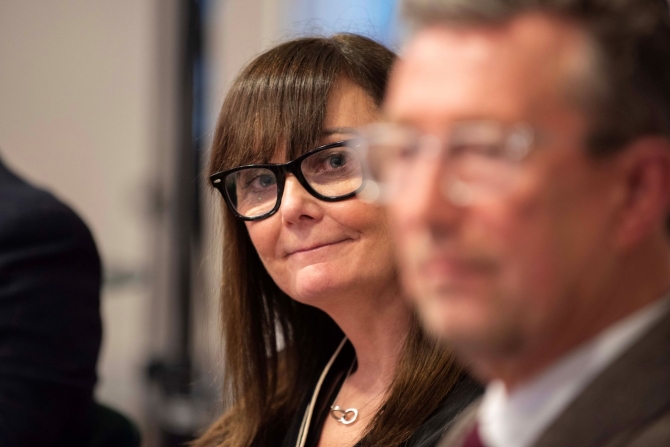
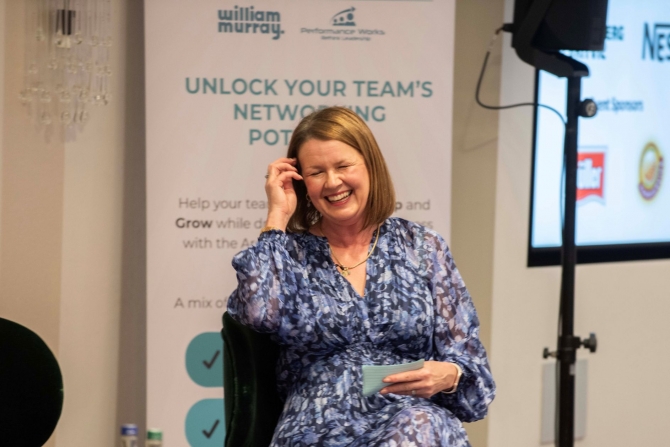
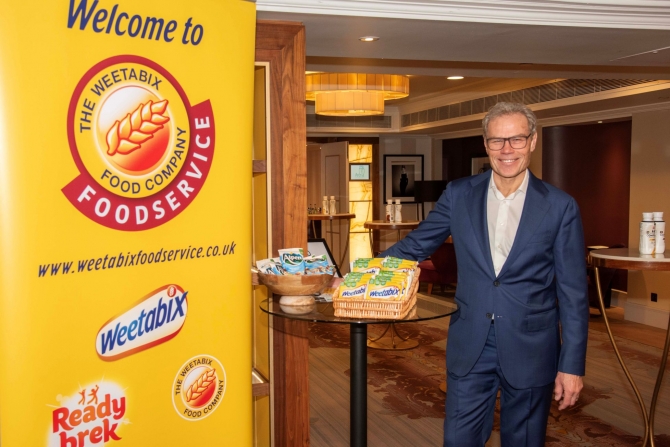
Attendee List
Event Review
Food in Healthcare – It’s not about being cheap. It’s about quality and value.
Two firsts for Arena
Thursday the 5th of March marked a milestone for Arena. Not one, but two firsts; the Importance of Healthcare Catering was Arena's inaugural breakfast event and its first ever sector-focused gathering.
The turnout at the Sofitel London St James confirmed there was an appetite for both, with guests from across the supplier, operator and NHS communities united by a shared interest in raising the quality of food in healthcare.
Breakfast is served
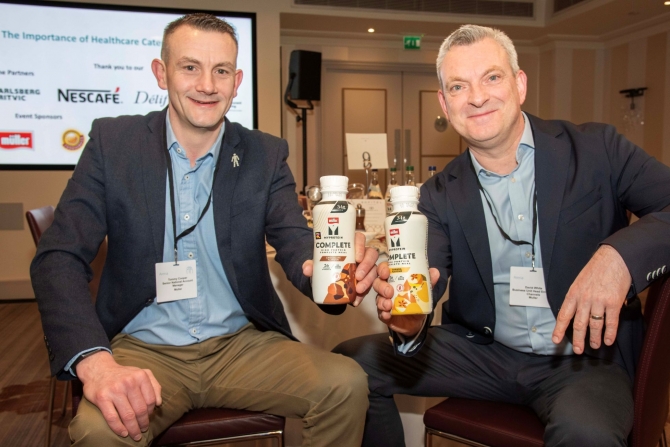
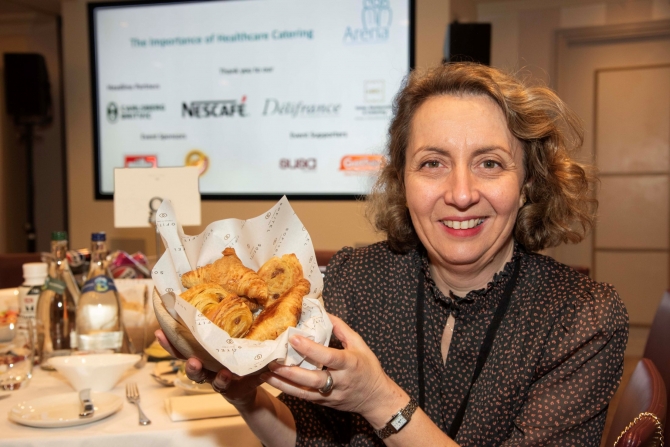
Following early morning coffee and networking, Arena Chairman Steve Norris opened with a warm welcome, reminding the room of the organisation's 34-year heritage, its mission to educate, engage and inspire, as well as its breadth of events, from the famous Savoy Lecture to behind-the-scenes visits and the growing Arena Futures initiative. His welcome led seamlessly into the food event of the morning as guests enjoyed a generous continental spread including event sponsor products before a full English breakfast from the chef team at Sofitel London St James. A fitting way to kick-off a morning dedicated to the power of good food.
Healthcare Sector Overview: Phil Shelley, NHS England
Phil Shelley, Senior Operational and Policy Manager for Soft FM and National Lead for Food at NHS England, set the scene with a compelling overview and a clear call to arms. His central message was direct: this is not about cheap. It is about value.
Food touches every patient, staff member and visitor every day. It influences recovery, dignity and wellbeing, yet historically has sat in the background as a support function rather than a core element of care. The 2020 Independent Food Review was a turning point. Whilst the Mandatory Food Standards introduced in 2022 established a national baseline for quality, nutrition and sustainability for the first time. But Phil was clear: standards alone do not deliver change. Leadership does. Strong, visible food leadership is not optional. It is essential. Champion food at board level, break down silos, foster genuine partnership working and go beyond the standards. His message to everyone in the room: don't wait to be invited. Shape the change.
Panel Discussion
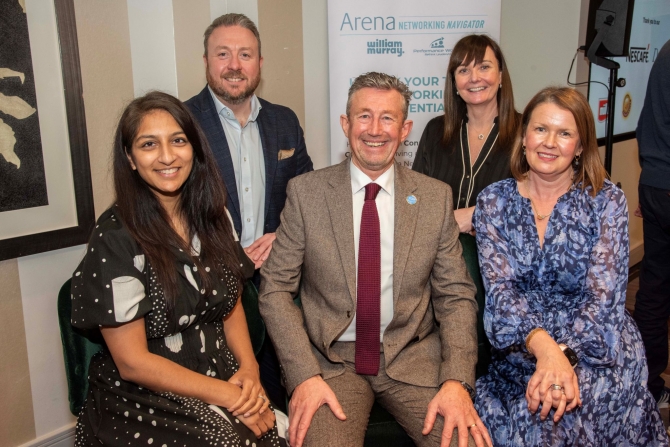
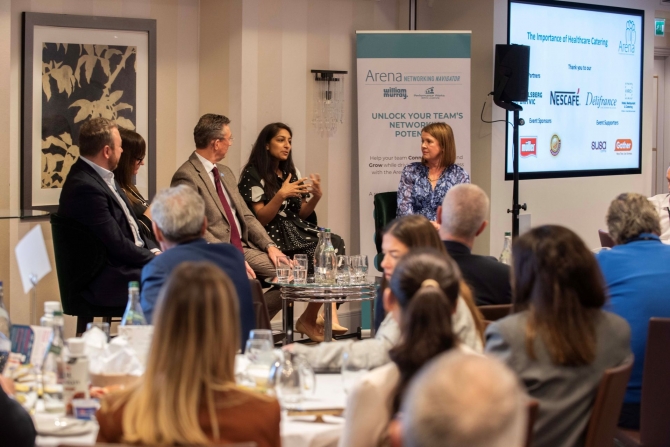
Expertly hosted by Nicola Knight, Head of Away from Home at IGD, the panel brought together Rob Jepson, CEO Health and Care UK and Ireland at Sodexo; Leanne McDowell, Head of Dietetics and Nutrition at ISS Healthcare; Saachi Avis, Head of Dietetics for Healthcare at Compass UK and Ireland and Phil Shelley also joined the panel. The insightful session covered a range of topics including:
A complex and emotive sector. Around 45% of patients arrive in hospital malnourished. Getting food right directly affects clinical outcomes, length of stay and readmission rates – making a key part of patient care. Nutritional needs and allergen avoidance can vary vastly depending on the patient. Staff and visitor dining adds further layers, each with distinct requirements. Understanding the distinct needs of healthcare dining is the first step for any supplier looking to working in partnership in this sector.
The collaboration challenge. Suppliers, operators, dietitians, nursing staff, ward teams, procurement, digital and senior leadership all need to work together. Too often they don't. Rob Jepson illustrated this starkly: two hospitals in the same Manchester Trust, the same food, one managed end-to-end by Sodexo, one handed over at the ward door. Patient satisfaction scores were worlds apart.
The last nine yards. A nutritionally sound meal still fails if it arrives cold, is poorly presented or served by someone who doesn't understand its importance. Empowering ward-based teams and ensuring they see their role as central to patient outcomes is critical. Compass has seen real results from bringing ward staff into new menu tastings, particularly for plant-based dishes.
Making the most of a tight budget. The average NHS patient food budget is £9.50 to £11.50 per person per day. Not per meal. Per day. Intelligent menu design, starting with clinical need, shaped by patient feedback data, with allergen management and sustainability including waste reduction built in from the outset, is how operators make it work. Suppliers can help by developing products aligned to operational needs and providing clear allergen and carbon data, as well as added value insights and support.
Flexibility and patient-centred service. How we eat has changed. Patients don't eat three courses twice a day at home. Flexible meal timing, varied portion sizes, grazing options for older patients and out-of-hours solutions for those on chemotherapy, maternity wards, or admitted late are all areas the sector must address. Five Sodexo wards now offer 24/7 patient choice, with impressive results.
The power of brands and comfort food. A familiar product offers comfort and can change a patient's experience entirely. The panel agreed the sector has been too slow to introduce branded products into NHS settings, and that there is real opportunity for suppliers and operators to work together more creatively here.
Data, digital and being proactive. Where electronic patient records kept, catering teams can plan for individual needs from the moment of admission, but this isn’t always the case. The ask to suppliers: working in partnership with Trusts and operators, use publicly available PLACE assessment scores to inform product development and engage proactively, not just when problems arise.
Sustainability, health by stealth and reformulation. Lower carbon menus, reduced waste, local sourcing and ‘greener by default’ are all priorities for the next 12 months. Gradual reformulation, more veg, less meat, higher fibre, in a way that shifts palates without patients noticing, was the approach the panel backed. The standards are the floor, not the ceiling.
Seeing the bigger picture. Good food in healthcare is not a cost centre, it's an investment. Better-nourished patients recover faster and stay for shorter periods. Reducing readmissions is one of the NHS's biggest financial challenges, and better nutrition continued into the community through discharge support could make a real difference.
Audience Q&A
Questions from the floor were thoughtful and grounded in personal experience. Nutritional continuity after discharge sparked a heartfelt discussion, with the panel calling for stronger hospital-to-community dietitian links and better discharge packs to align with the NHS 10-year plan's prevention agenda. Sharing recipes with patients, so a dish enjoyed in hospital can be recreated at home, was floated by Saachi as a simple but potentially powerful extension of that care (inspired by her child’s nursery).
Out-of-hours availability and sending patients home with familiar, nutritious products also generated real interest. The kindness bag concept was flagged as both a patient care opportunity and surely a potential sampling opportunity for brands.
On engaging the wider clinical team in patient dining, foodservice dietitians were identified as the critical connectors. Phil Shelley was direct however: without medical leadership committed to protected mealtimes and onboard with the core role food plays, the catering team is always pushing uphill.
A morning well spent
Bringing suppliers, operators, NHS policymakers and clinical professionals together for an open conversation about food in healthcare is exactly what the sector needs. Real insight, honest challenge and practical asks for everyone in the room to act on.
.jpg)
Thank you to Susan Wickes, Managing Director, Jellybean Creative for this review.