

More than a Meal
The Future of Care and Senior Living Catering
This event focused on the importance of catering within the care and senior living sector and how it is changing in the future. See our Event Review below.

Attendee List
Event Review
With the UK’s ageing population set to reshape demand for care and senior living, the opportunities for food and drink businesses are growing. But succeeding in this market requires a much deeper understanding of its residents, operators and challenges.
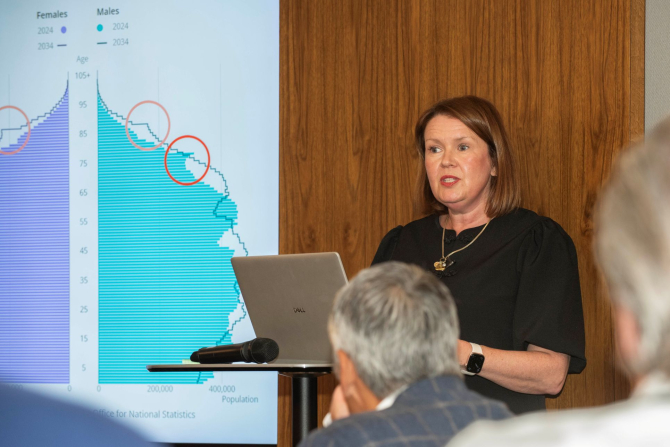
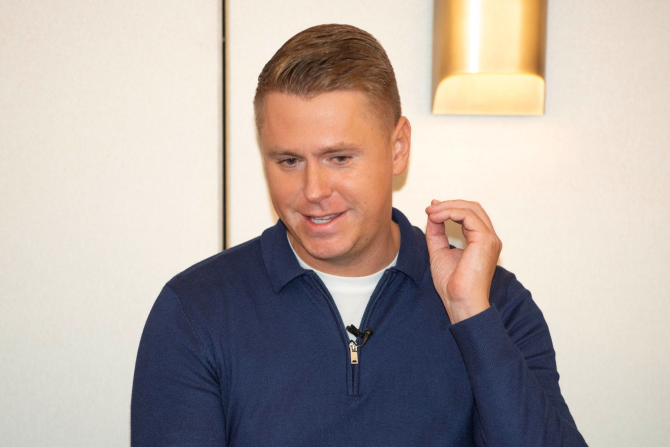
At Arena’s More than a Meal: The Future of Care & Senior Living Catering event, Nicola Knight, Head of Away From Home at IGD, opened the session by putting the market into context. IGD estimates care homes alone will account for £1.3bn of food and beverage sales and 441 million meal occasions in 2026, while demographic change points to further long-term growth.
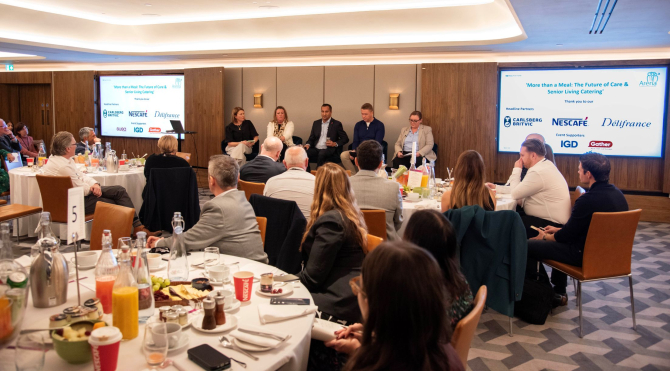
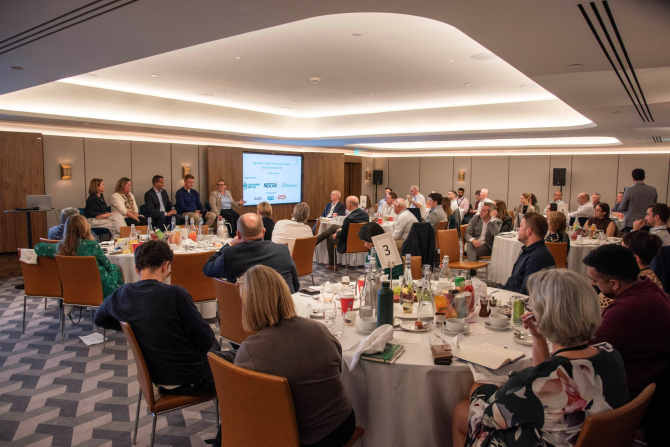
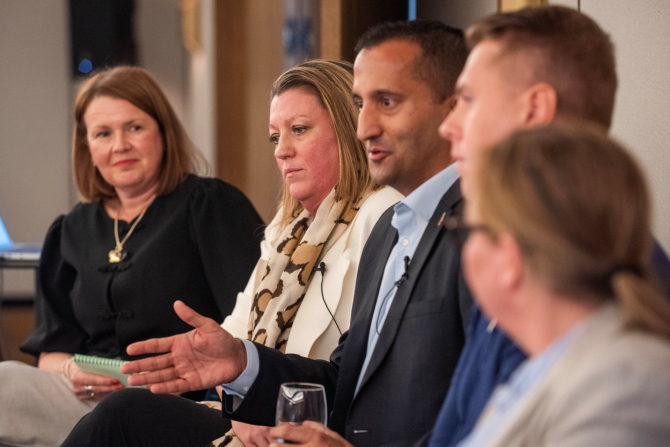
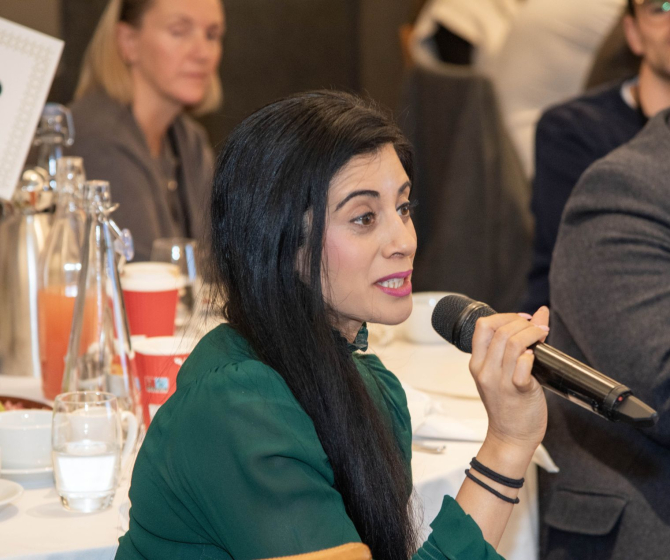
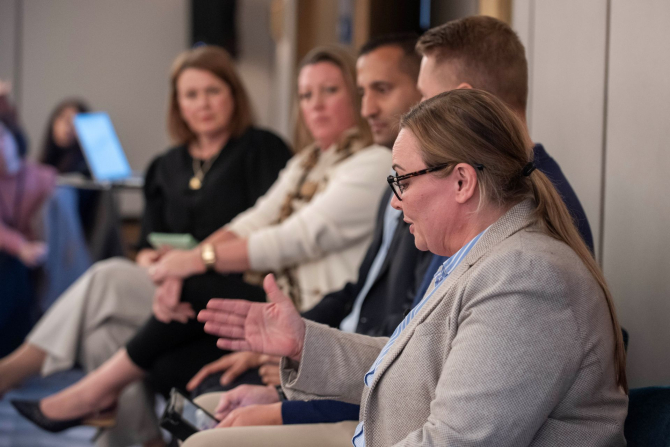
The presentation was followed by a panel discussion featuring Laura Tighe, Director of White Oaks Senior Living at Compass Group UK & Ireland; Neel Radia, National Chair of the National Association of Care Catering (NACC); Paulius Kriksciunas, National Hospitality Manager at Bupa; and Gill Heath, Managing Director of Elior Healthcare. Together, they explored how food and hospitality are evolving across care and senior living and where suppliers can help address some of the sector’s biggest challenges.
Challenging perceptions of care
The panel brought perspectives spanning senior and assisted living, care homes, retirement communities, hospices and meals on wheels. A clear message emerged: “care catering” covers a far broader range of people and occasions than is often assumed.
Residents may require complex support, or they may be living independently and looking for great food, hospitality and community. As expectations evolve, operators increasingly need to balance care with the experiences consumers have come to expect elsewhere in hospitality.
Food is about much more than nutrition
Throughout the discussion, food emerged as fundamental to quality of life. Good catering supports nutrition and hydration but also provides dignity, enjoyment, routine, memories and social connection.
Examples ranged from memory-led meals and recreated pub experiences to fish and chips served takeaway-style. The principle behind them was simple: understand the individual rather than simply provide a meal.
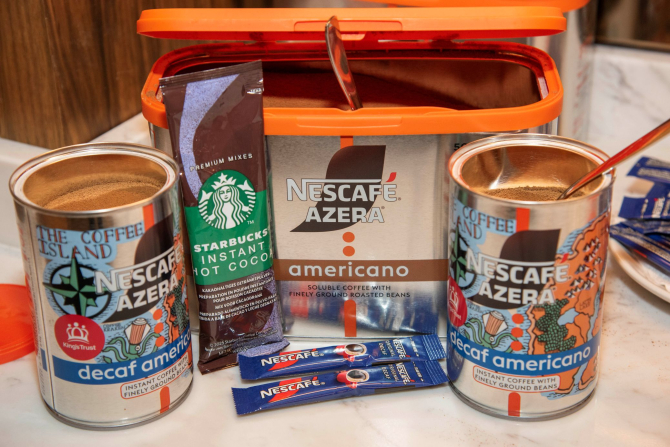
The discussion also highlighted the potential for food and drink to support wider health outcomes. Laura shared how White Oaks Senior Living are exploring “Decaf by Default” trials in care homes, building on work with an NHS Trust looking at the link between serving decaffeinated tea and coffee by default and reducing falls. The ambition is to assess whether simple changes like this could help residents stay healthier and reduce avoidable movement between care settings and hospitals.
Personalisation is necessary in a care environment but also bring complexity. Caterers must respond to allergies, nutritional requirements and texture-modified diets while producing food that remains recognisable, appealing and inclusive. Doing this safely and consistently, often with significant staffing pressures, requires highly skilled teams.
Raising the profile of care catering careers
A recurring theme was the need to better recognise the expertise of care-sector chefs and create clearer career pathways. Neel outlined how the NACC has been developing dedicated qualifications for care and hospital caterers, alongside apprenticeship opportunities, to build skills, consistency and professional recognition. Meanwhile, Gill explained how Elior is supporting the Marco Pierre White Academy – a new initiative which gives care-sector chefs the opportunity to develop their skills and learn alongside one of the industry’s best-known names. Bupa is also putting its culinary talent centre stage through the Great Bupa Menu competition, which gives chefs and other colleagues the opportunity to showcase their creativity, with successful dishes making their way into resident menus. Together, these initiatives are helping demonstrate that care catering can offer skilled, creative and rewarding careers.
Innovation needs to solve real problems
Technology has a growing role. Paulius described the development of Bupa’s digital ordering system connecting resident information and dietary requirements with meal choices, while AI is already being explored in menu development. But innovation does not have to mean technology. Better equipment, high-quality sauces, sous vide products and other labour-saving solutions could help operators maintain quality when skilled chefs are unavailable.
What does this mean for suppliers?
The panel’s message to suppliers was consistent: start with the problem, not the product.
Understand how individual care environments operate, get closer to residents and catering teams, and build solutions around their real challenges. Opportunities range from texture-modified and nutrient-dense food to labour-saving products, equipment, training and digital solutions.
Most importantly, partnership can go beyond products. By helping the sector develop skills, celebrate its people and deliver better resident experiences, suppliers can play a meaningful role in shaping the future of care catering.
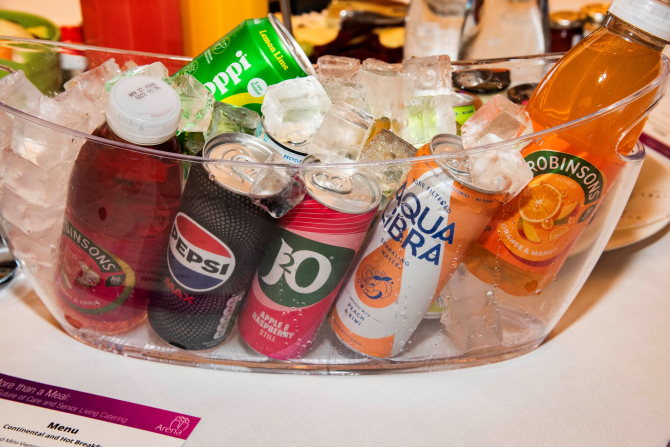
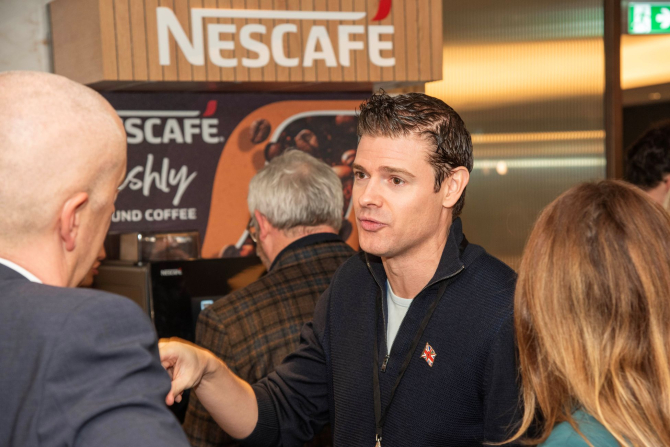
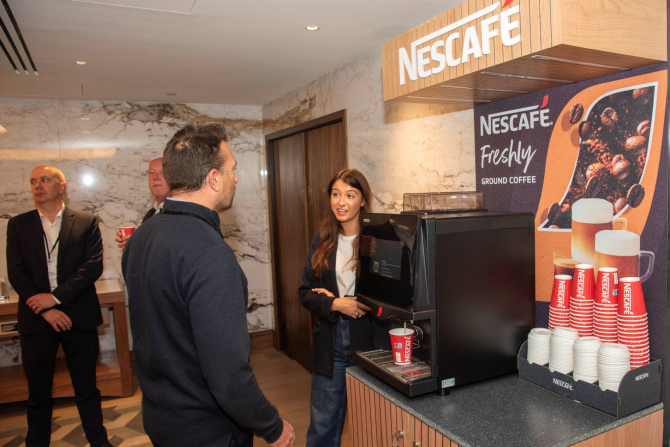
Huge thank you to our Headline Partners Nestle Professional for the Coffee, Carlsberg Britvic for the soft drinks and Delifrance for the mini-viennoiserie.
Thank you also to Nicola Knight, Head of Away from Home, IGD for this event review and also for being our panel host for this event.