
Arena Round Table Discussion - December 2025
In partnership with Clawson Farms
1 December 2025

Participants

Frank Coughlan
Executive Chef, BaxterStorey

Richard Hall
UK Commercial Procurement Director, Elior

Gary Hunter
Co-Founder, Hunters Academy of Food

Antony Bennett
Head of Food, Fuller Smith & Turner PLC
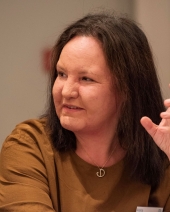
Diane White
Head of Supply Chain, Mitchell & Butlers

Keith Wellden
Senior National Account Manager, Clawson Farms

Simon Price
Chef Director, ISS Food Services

Dan Lucas
Head of Food, Restaurant Associates

Tom Tomczyk
Head of Back of House Operations, The Evolv Collection

Bill Mathieson
Managing Director, Clawson Farms
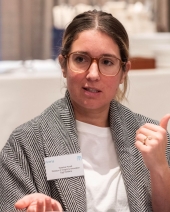
Kateline Porritt
Director of Insight & Innovation, Egg Soldiers
Event Review
Modernising British Food for Younger and International Audiences
The group discussed how British cuisine can evolve to attract younger and international diners. Suggestions included using British ingredients in contemporary formats such as bao buns and grab-and-go options, which cater to busy lifestyles and diverse tastes. Digital ordering systems and theatre-style cooking were highlighted as ways to engage younger audiences, particularly in schools and workplaces. The importance of provenance and storytelling was emphasised, with chefs encouraged to interact directly with customers to share the journey from farm to fork. Fun and innovation, such as whipped or baked cheeses and modern twists on classic dishes, were seen as effective ways to appeal to younger consumers. Sustainability was also a key consideration, with food miles and emissions increasingly influencing menu choices.
Storytelling and Supplier Collaboration
Participants agreed that authentic stories about ingredients and producers add significant value, but these stories must be communicated effectively. Site visits and supplier events were identified as valuable opportunities for teams to gain a deeper understanding of products, enabling them to share these stories with customers. While small producers may lack marketing resources, their passion can be showcased through direct engagement and simple, memorable narratives. Marketing teams play a crucial role in gathering and communicating supplier stories both internally and externally. The group also noted the importance of not overwhelming small suppliers with demand, ensuring they can scale up sustainably.
Balancing Local and Global Influences
The ideal mix of local and global flavours was a key topic. British ingredients can be incorporated into global dishes without losing their heritage. Nostalgia and authenticity were considered important, but dishes must deliver on flavour and experience, not just the story. Menu innovation should take into account seasonality, trends, and customer feedback, with quality and consistency remaining top priorities.
Supporting British Producers and Promoting British Cuisine
Supporting local farmers and producers was highlighted as a priority. Decisions to use British ingredients are driven by factors such as food miles, quality, and support for local farming. Operators value versatile products that can be used across multiple dishes to minimise wastage. Packaging and portion sizes are important for chefs, with pre-portioned formats helping to reduce waste. Communication tools like QR codes were suggested as ways to share product stories with consumers.
Menu Development and Listing New Products
The process of getting a new product listed involves building relationships across development chefs, menu management, and trade marketing teams. Buyers need to understand the product’s story and value, often through direct engagement and tasting sessions. Development chefs are key gatekeepers, ensuring products align with brand values and operational needs.
Innovation and Skills Development
Ongoing innovation and skills development were identified as essential. Skills gaps exist, with fewer chefs making dishes from scratch; training and masterclasses were suggested as ways to address this. Engaging young chefs through academies, competitions, and farm visits helps inspire future menu innovation and supports staff retention. Chefs should be encouraged to experiment – for example, using British cheeses in new formats, such as chocolates and cocktails.
Sustainability and Animal Welfare
Sustainability was a recurring theme throughout the discussion. Clawson Farms emphasised its high animal welfare standards and regenerative farming practices. Operators expressed interest in whole-life stories of animals and efforts to reduce emissions. Sharing these stories with development teams and on social media helps drive menu traction and consumer interest.
Attracting and Retaining Talent
The industry faces ongoing skills shortages following the pandemic and Brexit. Investing in young people through training academies and competitions was seen as an effective way to attract and retain talent. Sharing stories and engaging chefs at all levels fosters loyalty and innovation.
Key Learnings
Modernisation is essential: British food must adapt to new formats and tastes to remain relevant, especially for younger and international audiences.
Storytelling adds value: Authentic, well-communicated stories about provenance and producers can justify premium pricing and enhance customer experience.
Supplier collaboration is key: Strong relationships and clear communication between suppliers, chefs, and marketing teams drive successful menu innovation.
Versatility and sustainability matter: Products that are versatile, minimise waste, and support sustainability are highly valued.
Skills development is needed: Ongoing training and engagement with young chefs are crucial to address skills gaps and inspire future innovation.
Animal welfare and sustainability are priorities: High standards and transparent stories about farming practices resonate with both operators and consumers.
Talent retention requires investment: Supporting young talent through education and engagement helps offset industry-wide skills shortages.
Thank you to Clawson Farms for sponsoring this round table, Kateline Porritt for chairing the discussion and Nicola Knight, Head of Away From Home, IGD for this round table review.
If you’re interested in hosting or participating in a future round table event, please contact Lorraine.
Event Sponsor