

Arena Round Table Discussion - April 2026
In partnership with Lamb Weston
28 April 2026

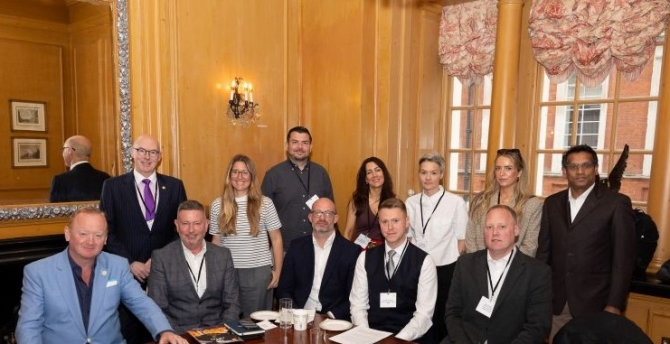
Participants
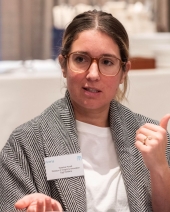
Kateline Porritt
Director of Insights & Innovation, Egg Soldiers
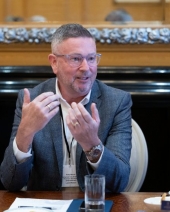
Andy Bacon
Commercial & Culinary Lead Premium Accounts (International), Lamb Weston
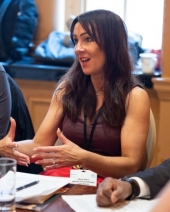
Aileen Wilson
National Account Manager, Lamb Weston
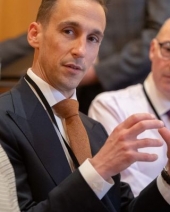
Nicolas Schell
Director of Food & Beverage, The Savoy
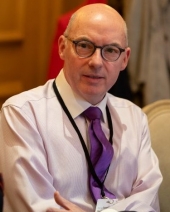
Gareth Bush
Director of Food, Beverage & Events, Royal Lancaster London
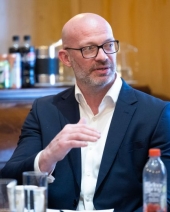
Pete Redman
Chef Director, BM Caterers
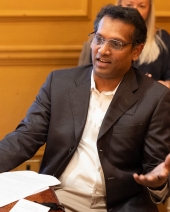
Saravanan Palanipandichamy
Executive Chef, The Peninsula
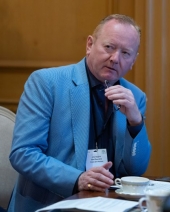
John Nugent
Chief Executive, Green & Fortune
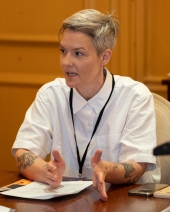
Sarah Wasserman
Director of Food & Brand, Mildreds & Mallow
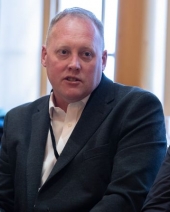
Gary Foakes
Head of Culinary Development UK, Delaware North
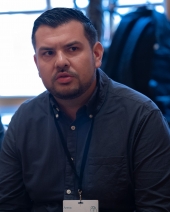
James Trumper
Regional Executive Chef - London, BaxterStorey
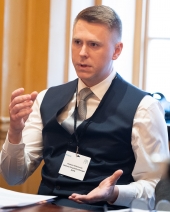
Paulius Kirksciuna
National Hospitality Manager, BUPA
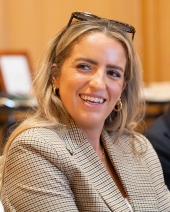
Carly Sutherland
Social Media Manager, Mildreds & Mallow
Event Review
UK hospitality is navigating one of the most complex operating environments in decades. Rising input costs, shifting consumer behaviours, labour shortages and an increasingly polarised market are forcing operators to rethink every aspect of their offer - from menu construction and staffing models, to storytelling and supplier relationships. What emerged from the discussion was not a picture of decline, but instead of adaptation - a sector that is rethinking its definition of value, experience and sustainability, all in real time.
Adapting menu strategies
The group kicked off the session by talking about menu strategy and how operators are adapting in the current climate. One of the clearest shifts discussed was the move away from fixed, seasonal menu cycles. Where menus once changed once or twice a year, leading operators now review performance almost continuously. It was agreed that this pace of change is being driven by necessity.
The rise of GLP-1 was cited around the table as having a tangible impact on menu design, particularly in tasting menus and casual dining environments. It was highlighted that dining out experiences need to feel generous without being filling, indulgent without being heavy and high quality without being carb intensive. As a result, we are seeing smaller plates, greater choice, lighter menus that are all driving profits.
The power of storytelling
Provenance, sustainability and ethical sourcing were all identified by participants as crucial signs of quality, but communicating these effectively was identified as a challenge. It was pointed out that the story operators are telling about their menu or business must be “authentic”. One attendee explained that “diners want a deeper dive into food” to feed their imaginations. It was also suggested that the food element is just a part of it. Consumers want the “whole story”. However, it was made clear that this in fact takes time, and trust. Some panellists explained that using social media to “preload” customers with brand values before they arrive at a restaurant helps them to understand the narrative of the offering.
Social media was a recurring theme throughout the discussion. One attendee explained how small plates - particularly desserts - are a huge hit for them on social media, especially with influencers. She explained how viral dishes can influence menu development, pricing confidence and footfall.
Interactive-led experiences
A growing demand for participation as well as personalisation was also addressed. Panellists agreed that guests increasingly want to feel involved in their meal - whether that be through dipping, pouring, or building their own burger, for example. Guests are looking for more “moments of action”, therefore the challenge for operators, which one attendee raised around the table, is to ensure that “everything we put on our plates is reflective of what we stand for as a broader business”. For events and banqueting in particular, the shift away from formal plated meals towards more flexible formats has helped them to deliver both higher guest satisfaction and stronger bottomline performance. It was also pointed out that smaller portions, wider choice and informality are not just customer-led decisions - they are in fact improving efficiency and reducing wastage.
The importance of creating value perception across menus was also touched upon. In order to achieve this, one participant suggested that operators must think outside the box to really “encapsulate” the audience.
Labour and skills crisis
The focus then moved onto the topic of labour shortages and skills crisis within hospitality. One panellist explained the “devastating” effects the immigration changes to skilled worker sponsorship has had on the industry - adding the need to adjust menus and rely more heavily on suppliers.
Apprenticeship dropout rates were cited as alarmingly high at 70%, reflecting a real mismatch between training environments and the reality of professional commercial kitchens.
The overall consensus was that operators, suppliers and educators must take shared responsibility for retaining talent - not just by improving hours and conditions, but by redefining foodservice as a profession which offers diverse career pathways.
In response, some operators explained the move towards prepared and externally produced food and centralised productive models. Whilst it was agreed that this delivers short term cost and resilience benefits, it also raised serious long term concerns around the table over loss of culinary skills, reduced training environments for future chefs and a narrowing craftsmanship within the sector. One participant explained, “it is a real education to teach people the real life of what hospitality really is,”, but believes “education must start at the very beginning.”
Supplier relationships
The conversation turned to the evolving role of suppliers. Transactional buying is giving way to deeper partnerships built on trust, transparency and human connection. Panellists agreed that regaining that “personal touch” is vital. It was also agreed that the most effective partnerships were described as those involving factory visits, farm tours, chef to chef dialogue and direct communication. Operators are seeking suppliers who can contribute to menu thinking, storytelling and training - not just product delivery.
Summary
After a meaningful discussion, the roundtable closed on a high. The group concluded that hospitality is fundamentally a “people business” - both in terms of the guests being served and the teams doing the serving. Everyone in the room was in agreement that the best operators are those who invest in culture, authentic storytelling, strong supplier relationships and staff development - not just the product on the plate.
Lamb Weston - case study
The session included insight from Lamb Weston: Frite Atelier, a premium coated chip. Here’s a few pointers on the product that were highlighted around the table;
It’s a single variety Agria potato
Offers consistent performance under pressure
Gluten free and plant based
Zero factory waste
Offering consistency and operational reliability are as important as creativity
Its premium positioning supports price confidence
It targets luxury hotels, steak houses and premium casual dining
Its ambition: to deliver the best frites in the world
If you’re interested in hosting or participating in a future round table event, please contact Lorraine.
Event Sponsor